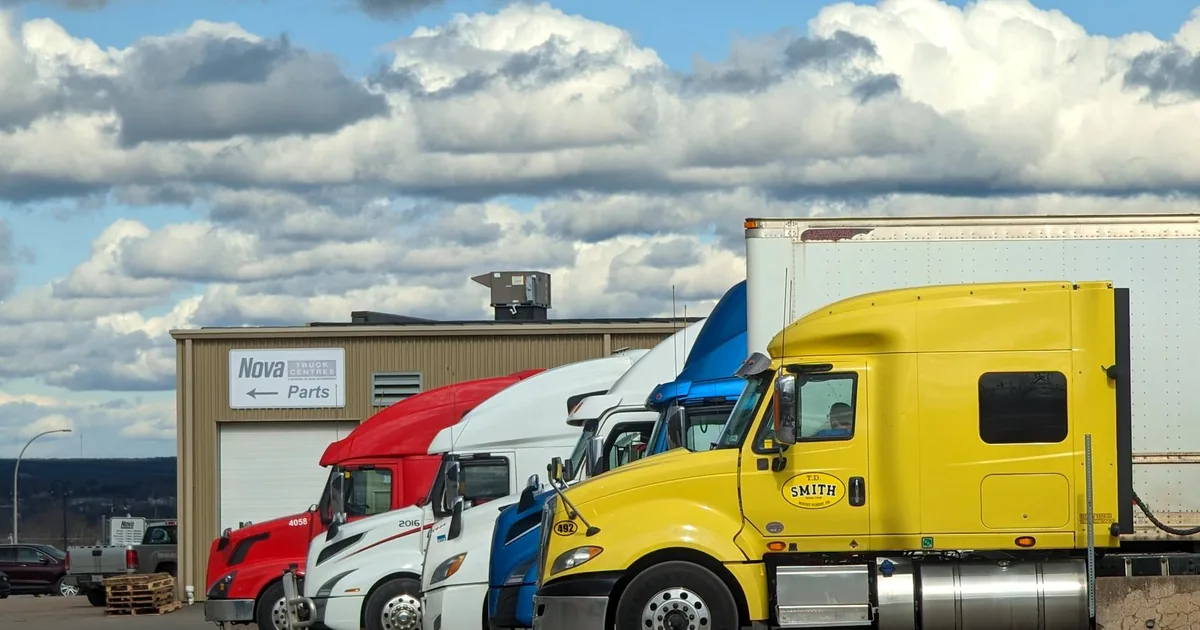
Two Quebec Sufferance Warehouses Closed. What Bonded Freight Does Now
Two BW licences surrendered, two ports with no replacement coming, and notices published nine days after the fact. If you move bonded freight through the Eastern Townships, your A8A destination just became wrong.
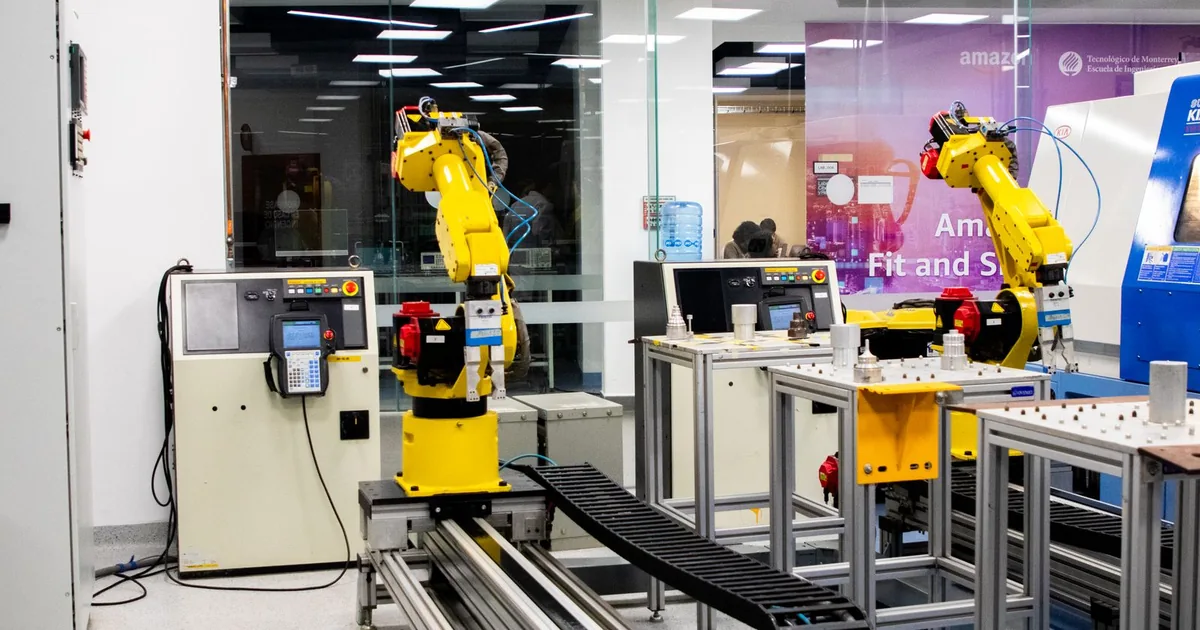
Canadian Import Compliance Automation: From Manual to Modern
If you're still managing Canadian import compliance through spreadsheets and email chains, you're carrying more risk than you probably realize. CBSA has sharpened its audit focus since CARM went live, and the penalties for classification errors and missing documentation fall on importers now, not brokers. This guide breaks down what compliance automation actually looks like in practice, where the real savings come from, and how to build a program that holds up when a verification letter arrives.

Customs Broker Technology Adoption: Where the Industry Stands in 2026
A lot of Canadian customs brokers are still paying for software they haven't fully implemented, and in 2026, that gap is starting to show up in compliance exposure and lost clients. CARM changed the liability math, retaliatory tariffs added new tracking requirements, and importers are now asking harder questions about entry visibility. Here's an honest look at where the industry stands and what brokers and importers should actually be doing about it.
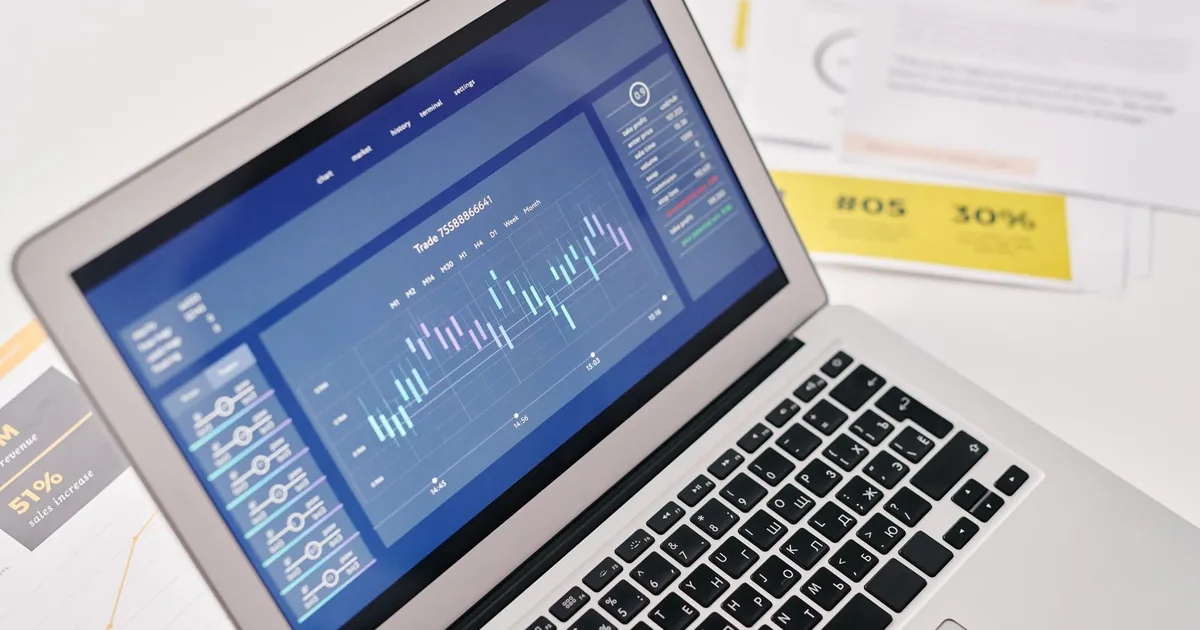
ROI of Compliance Automation: What Canadian Importers Can Expect
Most importers want to know if compliance automation is worth it in real dollars, not theory. The answer depends on your shipment volume, error rate, and how much compliance work you're still doing by hand. This breaks down the actual math, from staff hours and classification penalties to duty overpayments you may not know you're making.

Integrating Customs Software with ERP and Supply Chain Systems
If your customs software and ERP aren't connected, someone on your team is manually re-entering shipment data every time goods cross the border. That's where classification errors, valuation mismatches, and CBSA audit triggers come from. This guide walks through what integration actually looks like, what CARM requires of importers, and how to get started without a six-month IT project.

Going Paperless: Digital Customs Documentation in Canada
If your import records live in a Dropbox folder full of files named 'invoice_final_FINAL_v3.pdf,' you don't have a system, you have a liability. CBSA requires six years of complete, accessible records, and audits are increasingly targeting importers claiming surtax remission on U.S. goods. Here's how to get your documentation in order before a verification letter arrives.

Risk Management and Audit Readiness for Canadian Importers
CBSA is running more trade compliance verifications than ever, and with CARM giving them sharper visibility into your import history, the bar for audit readiness has moved. Most importers think having invoices saved somewhere is enough, it isn't. This guide covers what CBSA actually expects to find, where manual processes create real exposure, and what a basic compliance program looks like in practice.