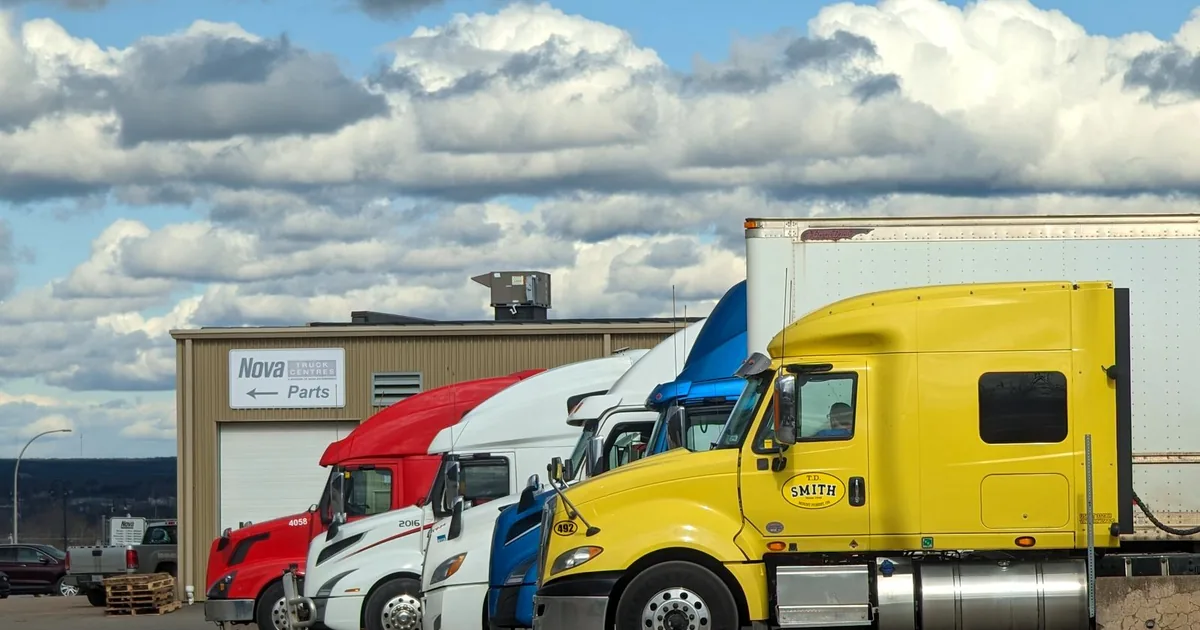
Two Quebec Sufferance Warehouses Closed. What Bonded Freight Does Now
Two highway sufferance warehouses in Quebec surrendered their licences on August 10, 2026, and CBSA has decided not to replace either one. Bonded carriers who were routing freight to East Farnham or St-Cesaire need to find an alternative warehouse and update every template and EDI profile that still carries the old codes. The storage clocks on goods already in bond did not pause for the closure, and for tobacco and spirits the consequences of running out are forfeiture, not a fine.
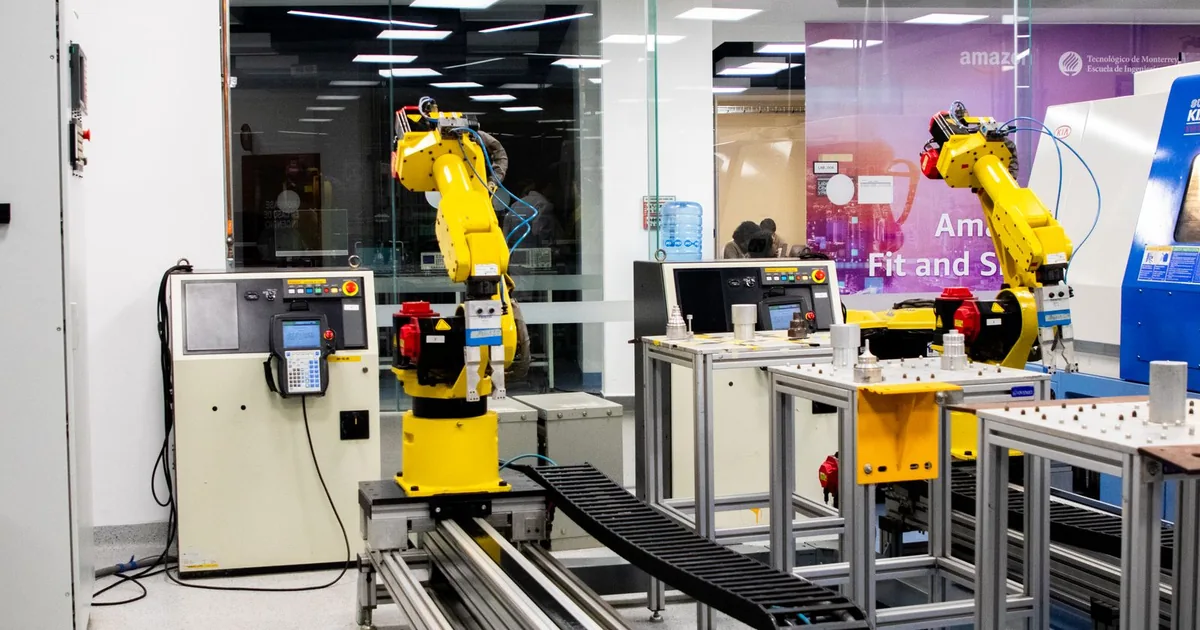
Canadian Import Compliance Automation: From Manual to Modern
If you're still managing Canadian import compliance through spreadsheets and email chains, the risk isn't just inefficiency, it's direct financial exposure. CBSA has sharpened its audit focus since CARM went live, and manual processes are exactly where errors hide. This guide breaks down what compliance automation actually looks like in practice and how to build a program that holds up under scrutiny.

Customs Broker Technology Adoption: Where the Industry Stands in 2026
A lot of Canadian customs brokers paid for automation software and never fully implemented it. In 2026, that gap is showing up in labour costs, compliance exposure, and lost clients. Here's an honest look at where the industry stands and what's worth fixing before CBSA comes asking.
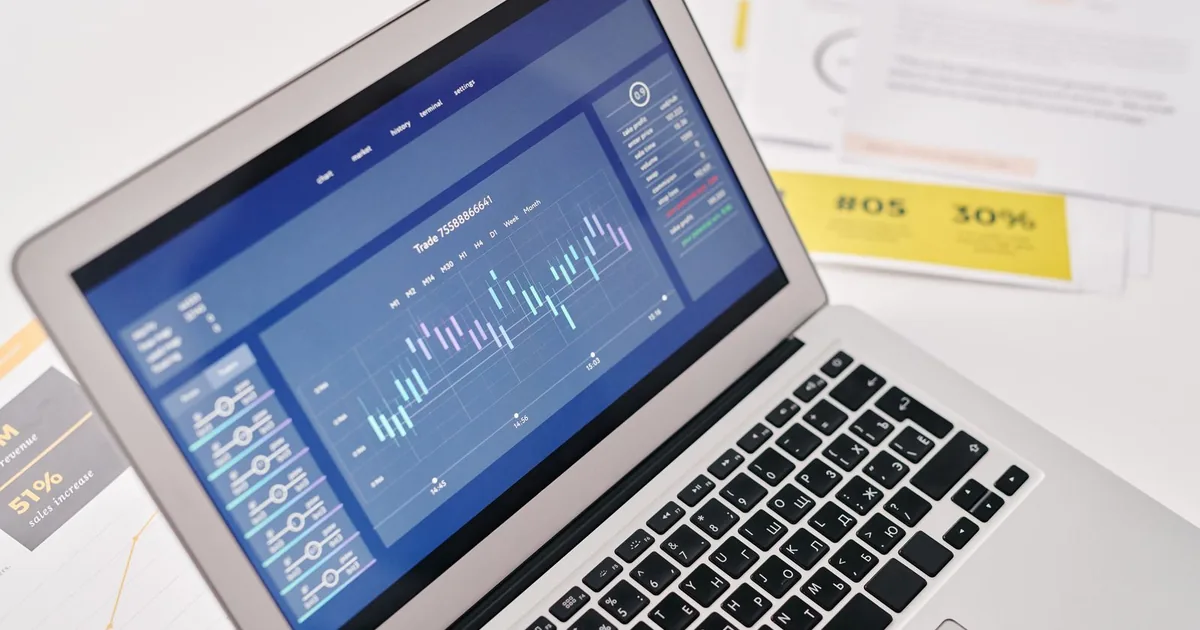
ROI of Compliance Automation: What Canadian Importers Can Expect
Most importers absorb the cost of manual compliance without ever adding it up, staff hours, broker correction fees, penalties, and duty overpayments that never get recovered. The math changes fast once you put real numbers to it. This post walks through what compliance automation actually costs, what it saves, and how to calculate whether it makes sense for your import volume.
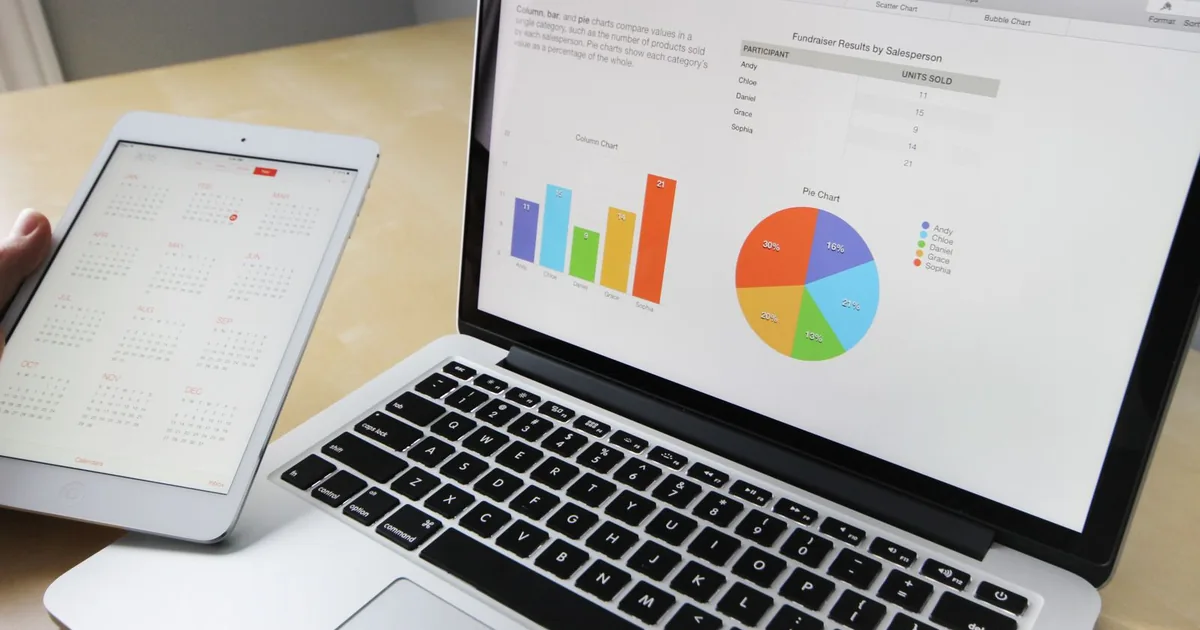
Integrating Customs Software with ERP and Supply Chain Systems
If your customs software and ERP aren't connected, someone on your team is manually re-entering shipment data every time goods cross the border. That's where the errors that trigger CBSA audits come from. This guide covers what integration actually looks like, why CARM makes it more urgent, and how to get started without a six-month IT project.

Going Paperless: Digital Customs Documentation in Canada
If CBSA showed up tomorrow asking for the invoice behind a specific B3 entry from two years ago, could you find it in under five minutes? Most importers can't. This guide covers what records you're legally required to keep, how long to keep them, and how to build a document system that actually works when it matters.

Risk Management and Audit Readiness for Canadian Importers
CBSA is running more trade compliance verifications than ever, and importers caught up in retaliatory tariffs, anti-dumping investigations, or forced labour scrutiny are at the top of the list. Audit readiness isn't about having invoices saved somewhere, it's about being able to connect every declaration to its supporting documents on short notice. This guide covers where most importers have gaps and what a basic compliance program actually looks like.