
Two CFIA Changes That Turn on a Fact Only Your Client Can Give You
An AIRS answer is keyed on the HS code, the origin and the declared end use. Change the end use and the answer changes. Two CFIA updates in one week show what happens when the deciding fact lives on a document you have not asked for yet.
The 6 GIR Rules, Explained
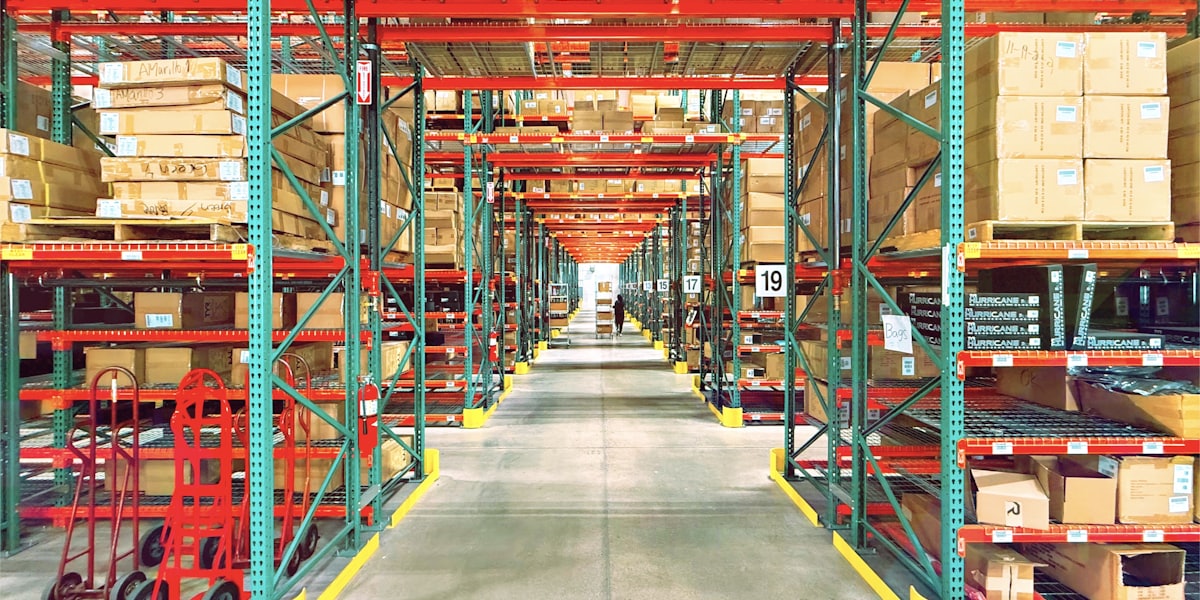
Every product crossing a border needs an HS code, and the six General Interpretative Rules are the method classifiers use to find the right one. The rules run in strict order, and the first rule that settles the question is the one that counts. Get the order wrong and the classification won't hold up on audit.

Can You Use ChatGPT to Classify HS Codes?
ChatGPT is fast and useful for understanding tariff concepts, but it wasn't built to classify goods for customs filing. It can suggest plausible codes that turn out to be wrong, and there's no audit trail if your shipment gets a second look. This guide breaks down where a general AI assistant helps and where you need something built for the job.
HS Code vs HTS Code
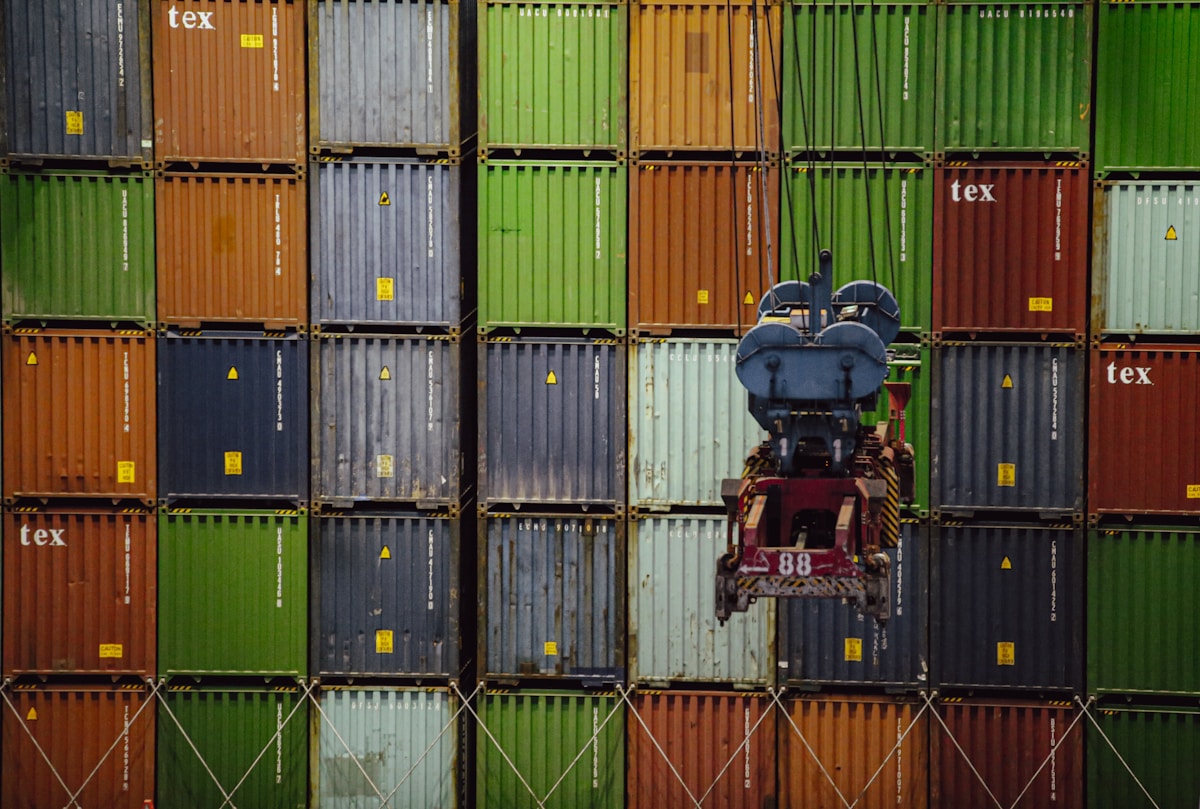
An HS code and an HTS code start from the same place, but they are not interchangeable. The HS gives you six digits recognized across more than 200 countries, while the HTS adds national digits that determine the actual duty rate and tariff treatment. Getting the national digits wrong, even with a correct six-digit base, can mean the wrong duty or a rejected entry.

AI-Powered Customs Classification: The Complete Guide
AI classification tools can cut the time your team spends on tariff research dramatically, but they come with real limitations that vendors rarely advertise. This guide covers how the technology actually works, what accuracy numbers mean in practice, and where the tools fall short on Canada's current surtax and SIMA landscape. If you're deciding whether to adopt one of these tools or trying to use one without getting burned, this is the honest version of that conversation.
How AI Classifies HS Codes: The Technology Behind Automated Tariff Classification
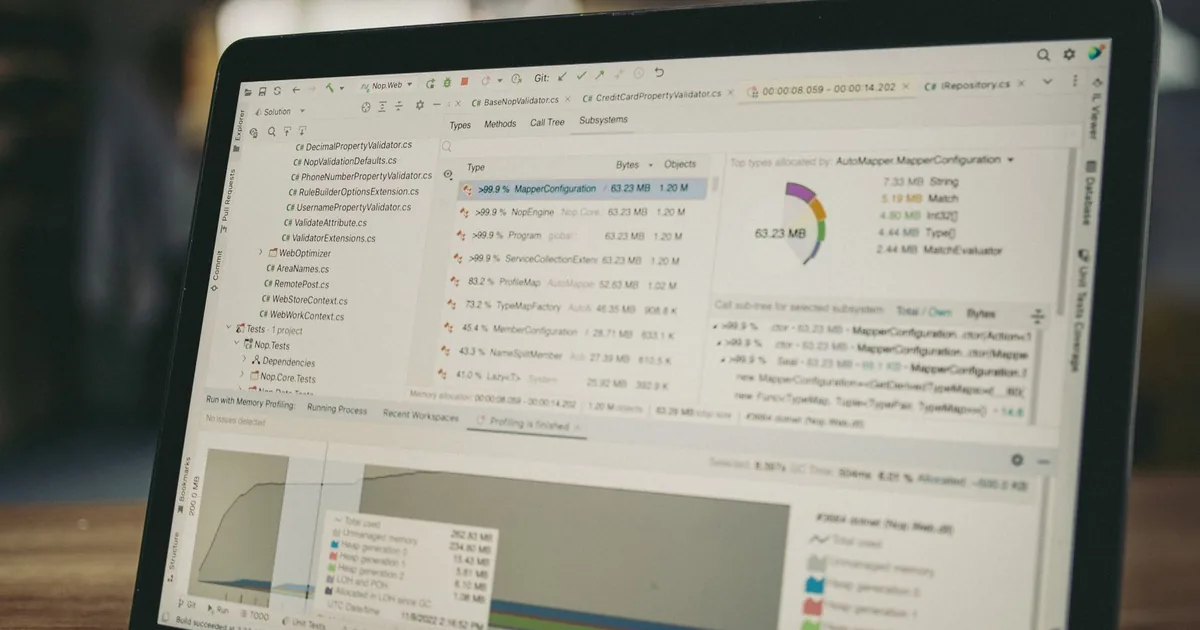
AI classification tools can handle high-volume, routine HS code lookups reasonably well, but most importers don't fully understand what's happening under the hood. The gap between a confident confidence score and a correct answer gets expensive fast, especially with CBSA's current focus on steel, aluminum, and trade agreement compliance. This piece breaks down the real technology, the real accuracy numbers, and where human judgment still has to be part of the process.

AI vs. Manual Classification: Accuracy, Speed, and Cost Compared
Arguing over a tariff heading for three hours costs more than the duty difference. AI classification tools have gotten genuinely useful, but the accuracy story is more complicated than vendors let on. Here's an honest look at where AI wins on speed and cost, where human classifiers still matter, and why Canada's current surtax environment changes the risk math for everyone.
Vision-Based Document Processing for Customs Declarations
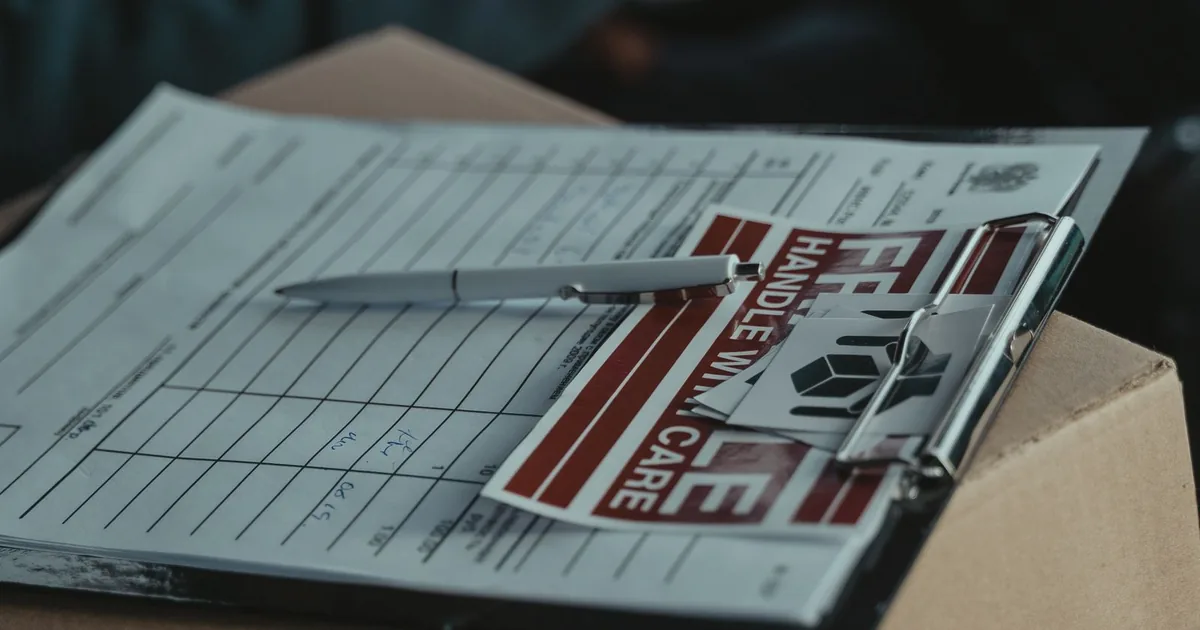
Getting clean product information out of supplier documents is usually the hardest part of HS classification, not knowing the tariff schedule. Vision-based AI tools are changing that by reading invoices and spec sheets the way a human would, pulling out materials, dimensions, and origin data automatically. But the technology has real limits, and under Canada's Customs Act, the importer of record is still on the hook for every declaration.
The True Cost of Tariff Classification Errors in Canada
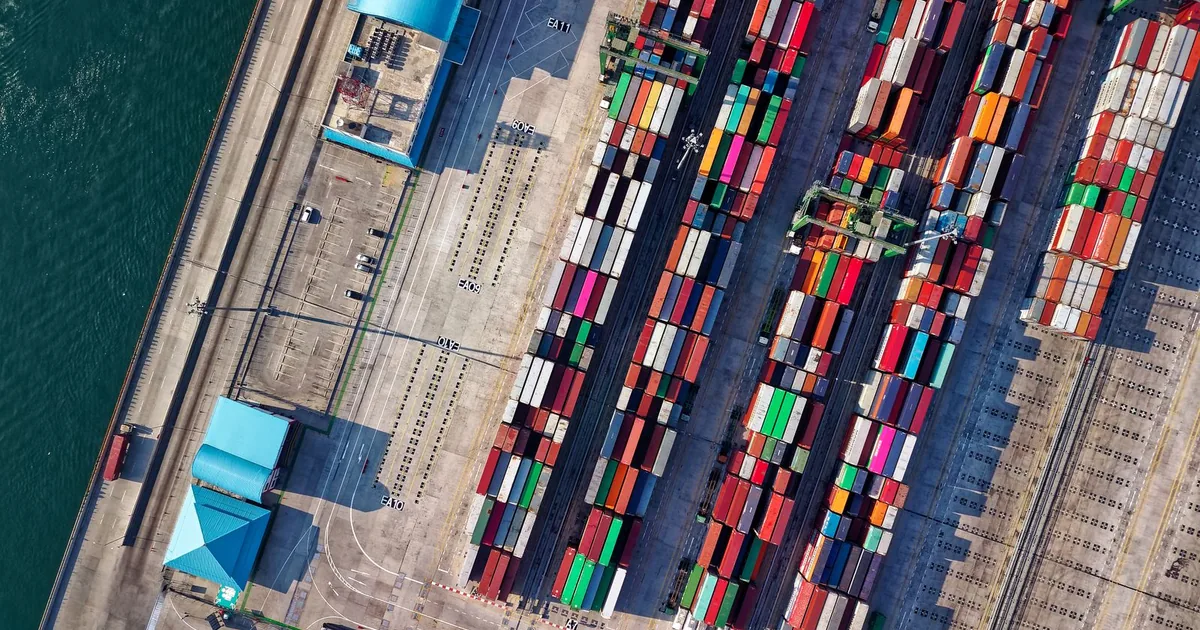
A wrong HS code on your B3 doesn't just mean a one-time correction, it can mean four years of back duties, compounding interest, and administrative penalties across every affected shipment. We've seen mid-size importers hit with six-figure bills from errors that started as a supplier putting the wrong code on an invoice. With CBSA actively targeting steel, aluminum, and trade agreement compliance in 2026, the window to get your classification right is narrowing.
Using AI to Leverage CBSA Advance Rulings for Better Classification
Getting an advance ruling from CBSA used to mean spending thousands on professional fees just to prepare the submission. AI tools are changing that math by drafting classification rationales in minutes and flagging which products actually carry enough risk to justify a ruling. This post walks through a practical workflow that combines AI classification with the advance ruling process, and explains what AI still gets wrong.